
Child UX: Accessibility and Ethics in the Digital Journey
Designing for children is not about simplifying the interface, it’s about amplifying autonomy with responsibility.

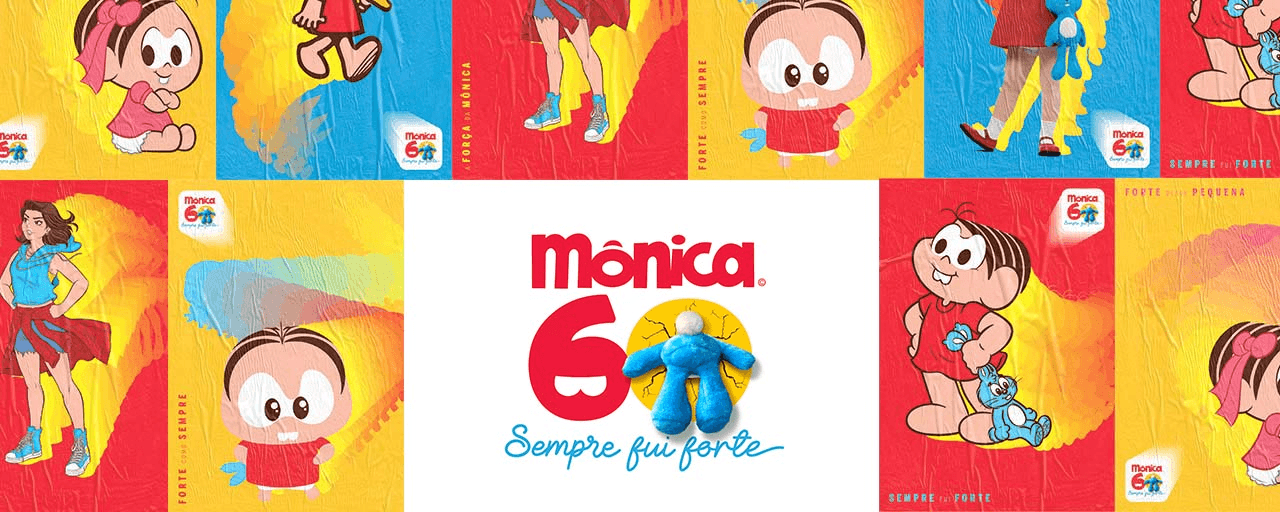
Working with an intellectual property as iconic as Turma da Mônica required a deep exercise in Human-centered Design, focusing on a demographic often overlooked by technical rigor: the children’s audience. The central challenge was to translate the playful universe of the Limoeiro neighborhood into a digital interface that would be intuitive for children at different stages of literacy, without resorting to dark patterns or mechanical predatory retention.

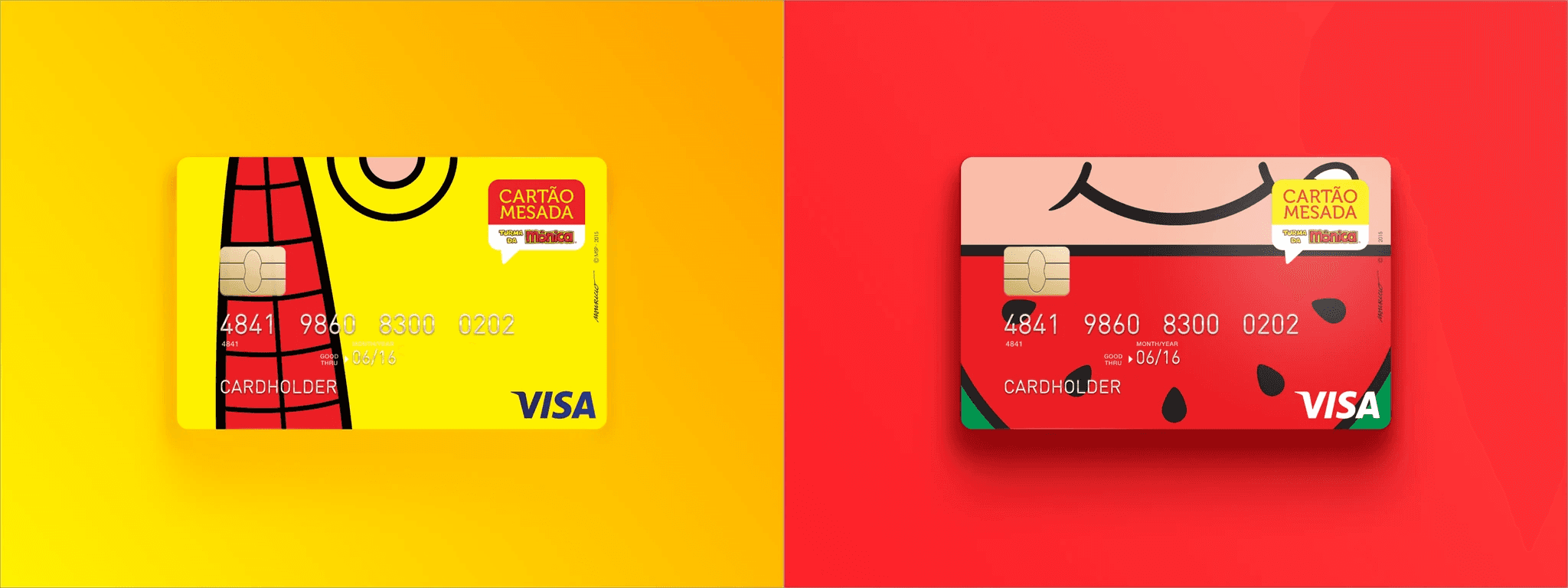
As a Product Designer, my work was based on Cognitive Accessibility. Designing for this audience requires understanding that cognitive load and fine motor skills are developing. We established design guidelines that prioritized immediate visual and auditory feedback, self-explanatory icons, and an information hierarchy that respected the child’s discovery time. The goal was to create a safe environment where technology would serve as an enabler of fun and learning, rather than a barrier of frustration.

The technical complexity of this project resided in the creation of a Familiar Digital Ecosystem. We needed to balance the needs of small users with the control and safety required by parents. We implemented authentication flows and parental control areas that were robust but did not interrupt the fluidity of the playful experience. It was a thorough work of UX Writing and Interface Design, where each color, sound and animation were designed to be inclusive and welcoming.
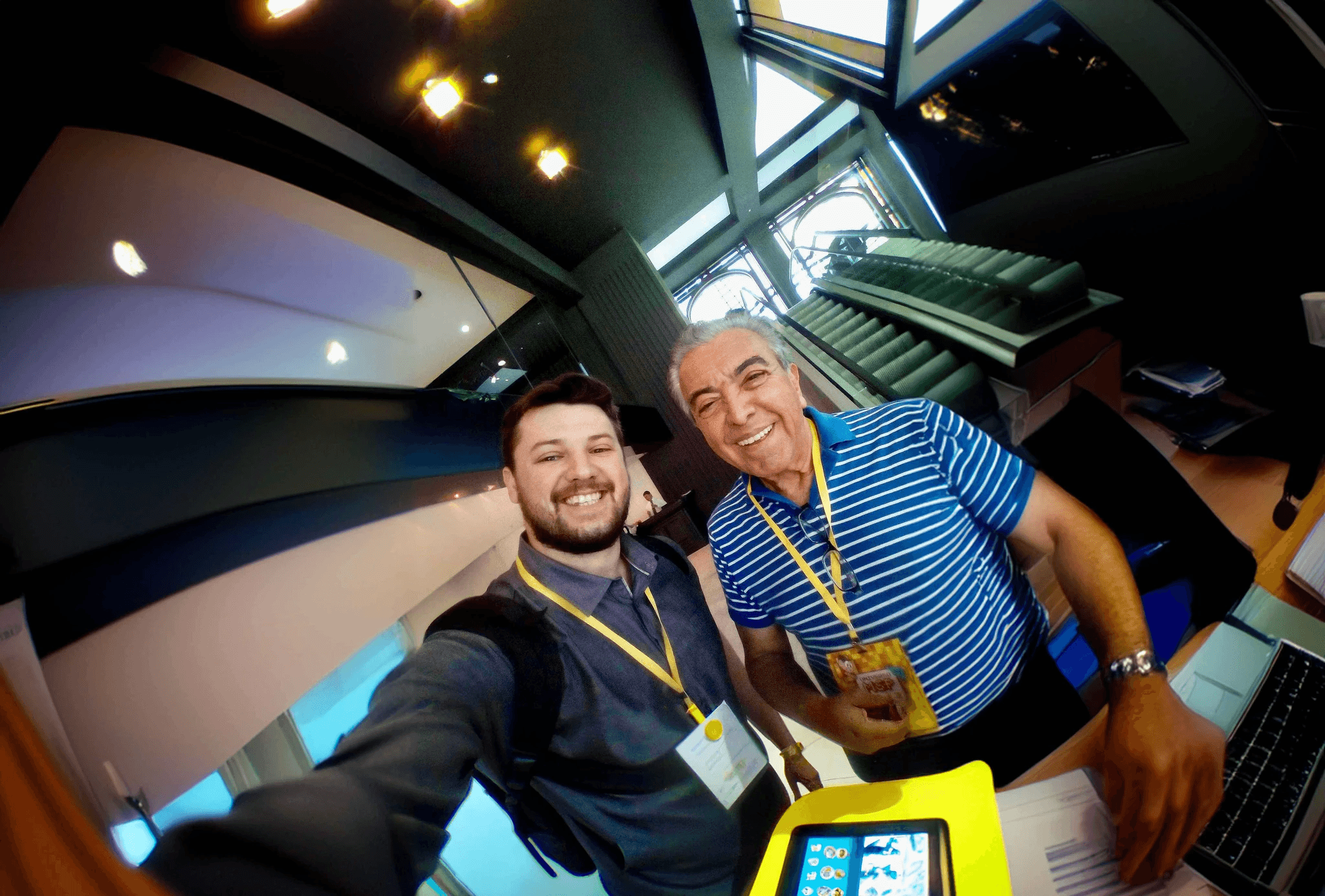
I worked on structuring components that were resilient and scalable for different devices, ensuring that performance was not an obstacle in entry hardware. In the end, the project proved that ethical design focused on cognitive accessibility is actually excellent design for everyone. We consolidate an experience that honors the legacy of Mauricio de Sousa, transporting the trust of the brand from paper to pixel with maximum technical rigor and human sensitivity.
My role
As a product designer, I was responsible for the experience architecture and interface design focused on children. My technical leadership ensured the application of good digital security practices (LGPD and COPPA) and the implementation of accessibility standards that allow for autonomous and safe navigation for children of different age groups.
Results
The impact was the creation of a digital product that became a benchmark for ethical engagement. We achieved high satisfaction rates from both children and parents, validating the premise that cognitive accessibility is key to longevity of children’s products. The project reinforced the digital presence of Turma da Mônica, connecting a new generation of fans through a safe, playful and inclusive digital journey.
Design at
Turma da Mônica
Focus on Child UX, Accessibility and Ethical Design, operating at the intersection of entertainment and social responsibility. If you wish to discuss Data Security for Minors or Interface Standards for Cognitive Accessibility, this is a key case in my repertoire.