
Design System Global: The Governance of Scale
Efficiency is about common language, not components.
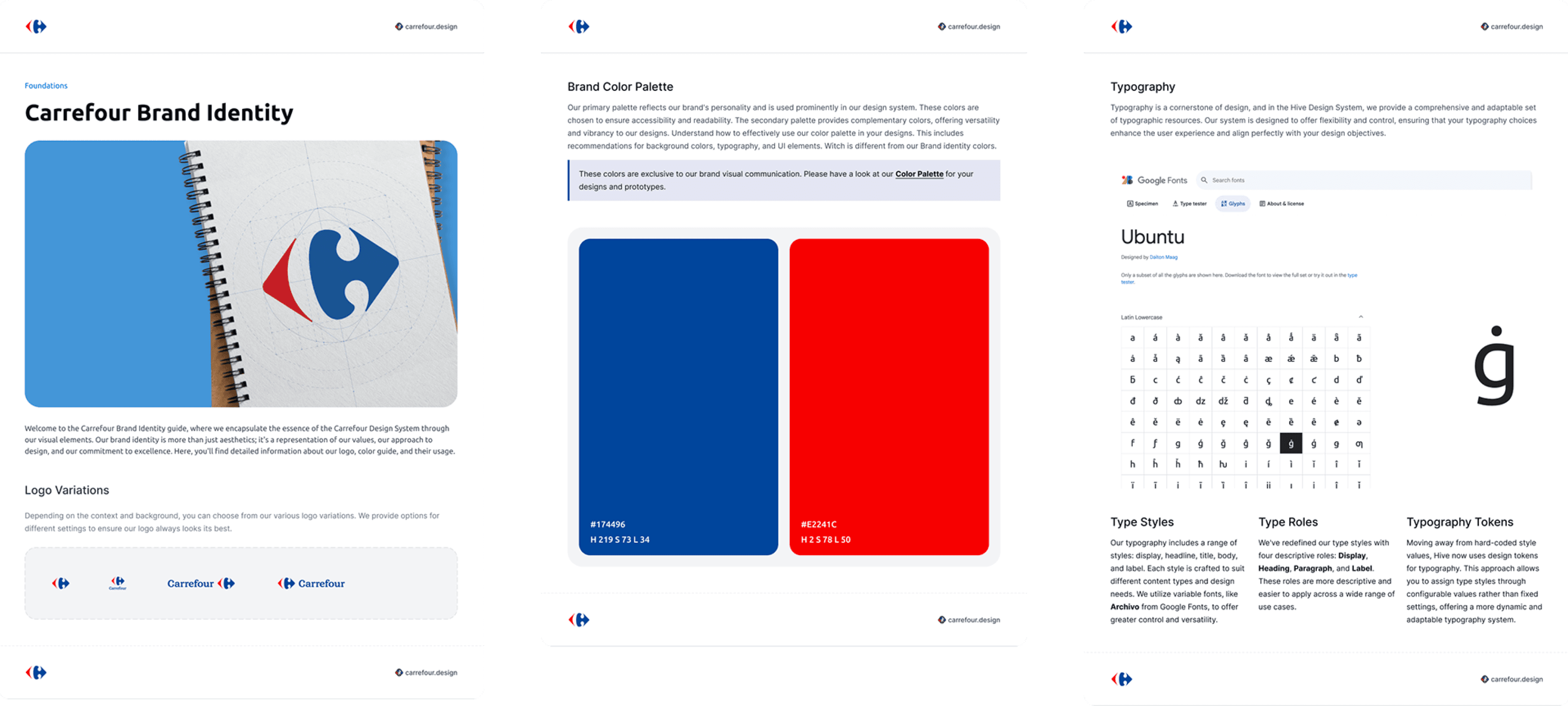
Managing the evolution of the Design System at Carrefour Brasil was, fundamentally, an exercise in technical diplomacy on a large scale. The central challenge lay in the classic manifestation of the conflict between global standardization and local agility: guidelines architected in Paris that, though robust, lacked the "tropicalization" necessary for the high performance of the Brazilian market. As a Design Ops Lead, my role migrated from visual creation to systems orchestration where the priority was to mitigate friction between international vision and tactical execution of our local squads.
I adopted an approach based on Systemic Thinking, treating the Design System not as a static repository of assets, but as a living product infrastructure. The goal was to establish a Single Source of Truth that would ensure technical parity in an ecosystem that does not tolerate design debt. I worked at the intersection of global stakeholders and engineering teams in Brazil, mediating complex trade-offs to ensure that the consistency of the Carrefour brand was preserved without compromising the delivery speed needed for one of the world’s largest retailers.
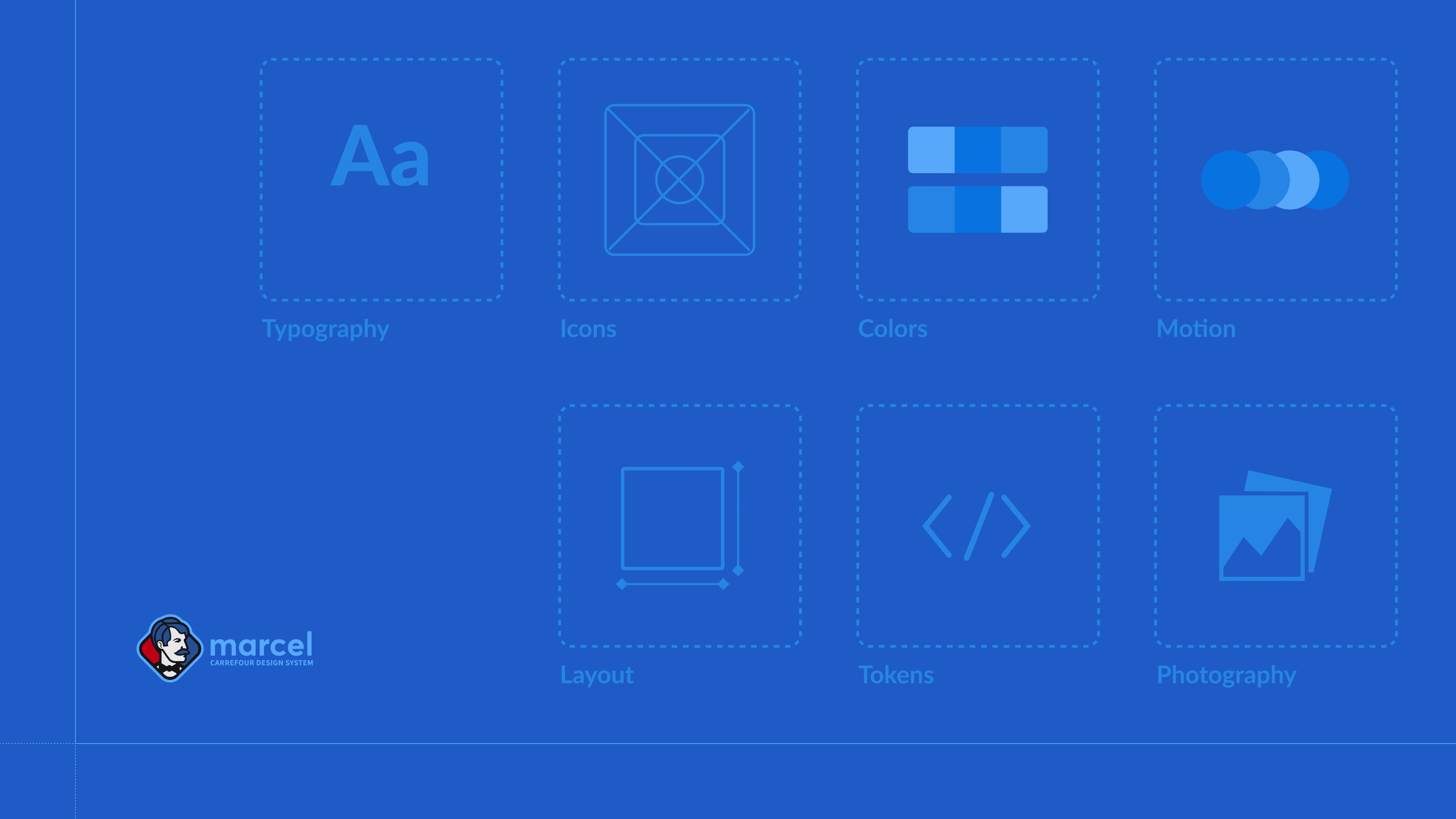
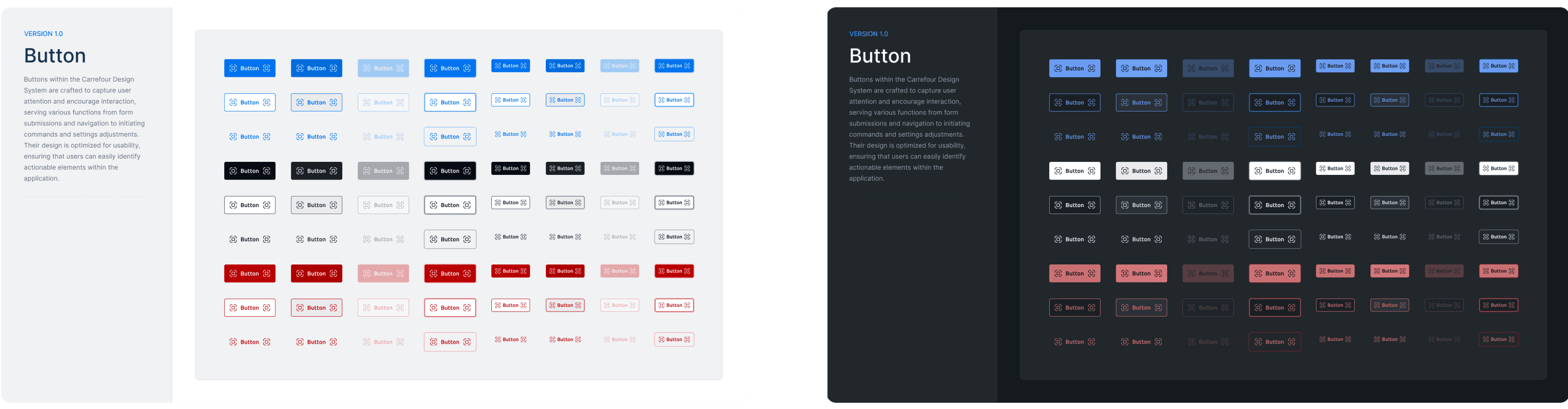
The materialization of this governance occurred through the structuring of a resilient Design Token Taxonomy and rigorous documentation in Zeroheight that served as the "contract" between design and code. We implemented Design System Office Hours rituals and contribution flows that transformed the system into a collaborative, not tax, model. By detailing complex states, accessibility rules, and core component behaviors, we drastically reduced ambiguity in handoff and eliminated the subjective discussions that historically created bottlenecks in production.
The materialization of this governance occurred through the structuring of a resilient Design Token Taxonomy and rigorous documentation in Zeroheight that served as the "contract" between design and code. We implemented Design System Office Hours rituals and contribution flows that transformed the system into a collaborative, not tax, model. By detailing complex states, accessibility rules, and core component behaviors, we drastically reduced ambiguity in handoff and eliminated the subjective discussions that historically created bottlenecks in production.
My role
The refinement of system architecture allowed Carrefour Brasil to operate with unprecedented operational predictability. By shielding the integrity of foundation components, we gave back autonomy so that product squads could focus on solving high-impact business problems and optimizing the customer journey. The result was the consolidation of a digital ecosystem that now absorbs global updates with minimal manual effort, proving that a well-orchestrated Design System is, first and foremost, a strategic tool for economies of scale and digital maturity.
Results
As a Design Ops Lead, I acted at the intersection zone between global and local. My responsibility was to manage the versioning of the library, ensure technical parity between the platforms and, especially, evangelize the culture of systems within the squads, removing the bottlenecks that prevented the international scale of the product.
Design at
Carrefour
I worked in direct collaboration with the Global UX team in Paris, adapting international frameworks to the high-performance reality of Brazil. If you want to understand how we scale this governance to millions of accesses, we can talk about contribution rituals and system architecture.