
Super App: Systems Architecture and the Governance of Chaos
Innovation at scale is not a problem of creativity, it is a challenge of infrastructure and predictability.
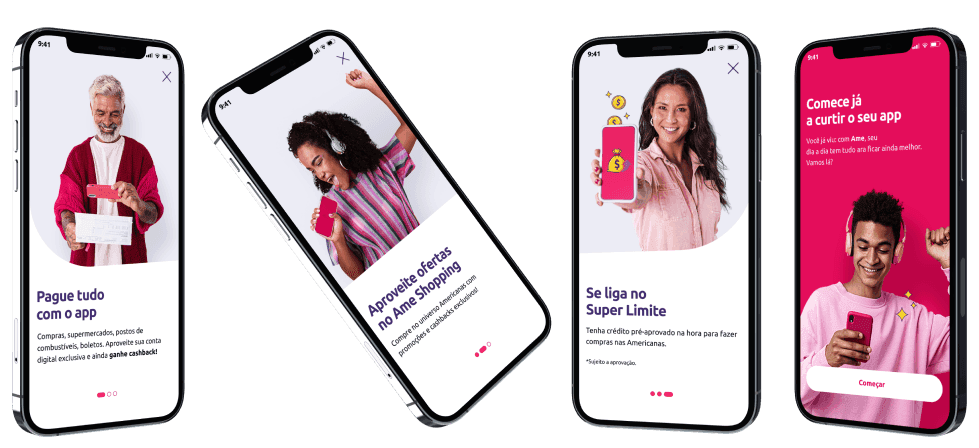
Leading the UX strategy in Digital Soul during its period of hyper-growth was, fundamentally, an exercise in applied systemic thinking. The scenario was the classic manifestation of Conway’s Law: dozens of business verticals (Fintech, Marketplace, Gaming, Health) operating in autonomous silos, which invariably reflected a fragmented interface and an incoherent user journey. The central challenge was to establish a Single Source of Truth that was flexible enough for squads' agility, but rigid enough to ensure brand integrity on iOS, Android, and Webviews.
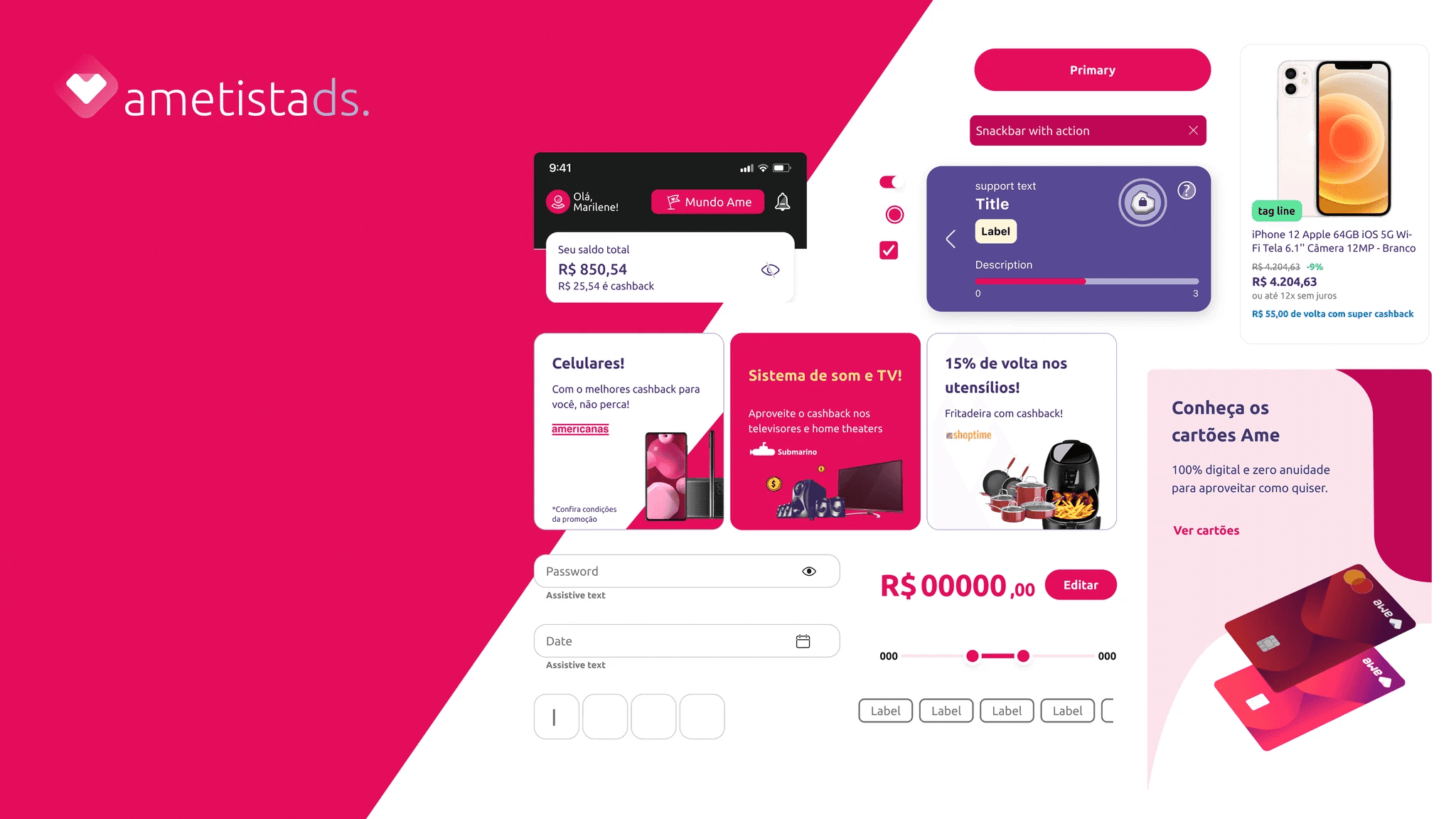
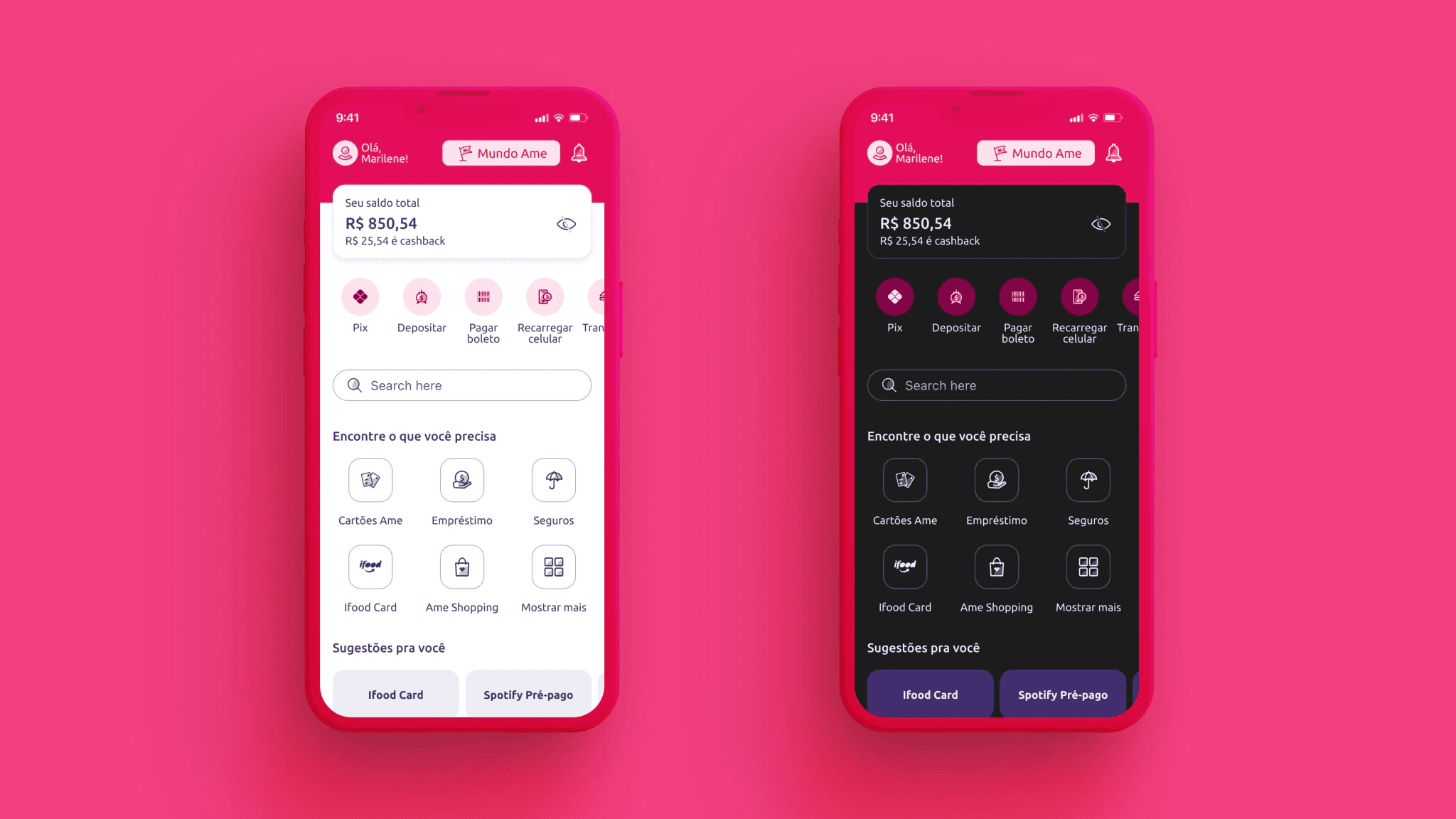
As a UX lead, my focus has shifted from feature design to ecosystem design. We needed to mitigate the visual entropy that arose with each new release. The strategy was based on Design Ops, where we prioritized creating a solid foundation that allowed interoperability between native and web platforms. We were not just creating a UI Kit; we were designing the operating system for the Ame experience, ensuring that user confidence was preserved through functional consistency regardless of the service vertical accessed.

The materialization of this strategy occurred through a deeply structured Design Token Taxonomy. Anticipating the need for multi-brand support (Ame and Ame Empresas) and the volatility of seasonal campaigns like Black Friday, we designed a semantic token logic that allowed the app’s thematic mutability programmatically. In an era of native Figma prevariables, this structure was the game changer that eliminated months of manual rework and allowed for instant visual "turnarounds" throughout the Super App.
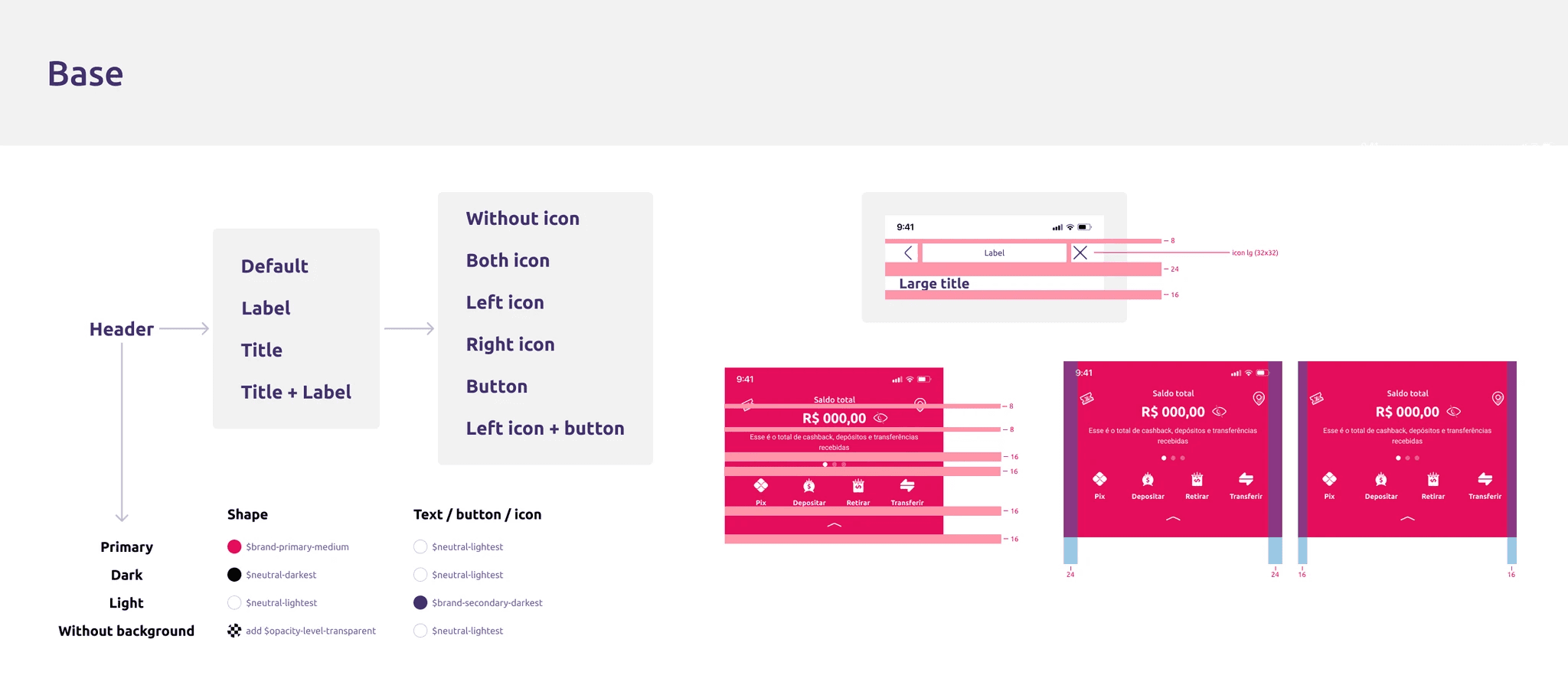
I worked at the direct intersection with engineering to ensure Parity of Components. By unifying the behavior logic of complex components - such as checkouts and authentication flows - we drastically reduce the cognitive burden on developers and design debt. The implementation of this governance transformed the Design System from a simple repository of assets into a strategic accelerator, proving that standardization does not limit innovation but frees up the team to focus on solving business problems that really move the focus of retention and GMV.
My role
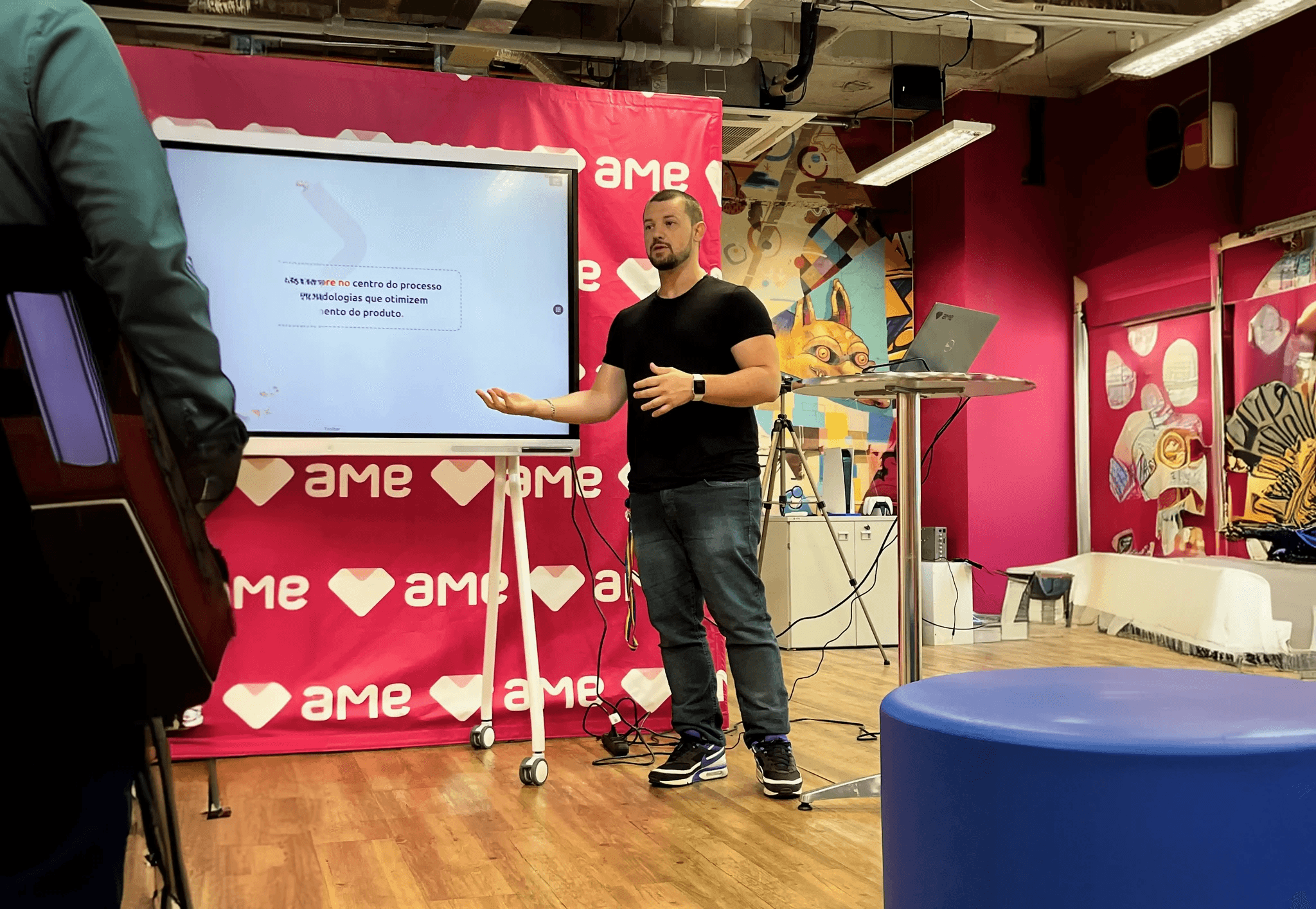
As UX Lead & Design Ops Strategist, I was responsible for the architecture of the Super App experience and the governance of the Design System. My leadership focused on scaling design processes, establishing technical quality criteria across platforms and mediating the trade-off between squads' delivery speed and systemic product consistency.
Results
We established a resilient design ecosystem that achieved absolute parity between iOS, Android and the web. The scalability of the token system resulted in a drastic reduction in the time-to-market of seasonal campaigns and the integration of new verticals, consolidating an operational maturity that allowed AME to withstand massive transaction peaks with a cohesive and technically optimized interface.
Design at
Ame
Focus on Fintech and High Complexity Super Apps, operating at the frontier between product design and systems engineering. If you want to discuss Strategic Tokenization or how to manage Design Entropy in hypergrowth environments, this is the ideal case for us to deepen.